How to Write AI Art Prompts to Get Desired Results?
Learn how theme-based AI art prompts help you turn ideas into expressive, meaningful artwork.

This is the world of generative AI. And you've surely used many AI tools online. But have you tried the impactful AI prompts? If your answer is NO or you're in doubt, then this blog is for you. This article specifically guides you on theme-specific AI art prompts. Here you will find thoughtfully designed AI prompts that you can use for personal practice. They will help you when you find it challenging to give the right prompt to create the artworks. But after you read the following information, you can see the difference between a basic and a better art prompt. Keep reading, and first learn how to write a brilliant art-making prompt.
How do theme-based art prompts improve creativity?
While working, most of the time, spontaneous ideas are creative. And the challenging part here is figuring out how to channel them properly. It is possible to give up on new ideas due to a lack of the required information. This is avoided by theme-based prompts. They put your idea before you with the information you need. They hold you to your idea until you grasp it. These impressions provide you with works of art at their fullest.
They enhance your visual storytelling. Not only that, but when you start using them consistently, they also teach you to work within a theme. The plus point is that working within a theme gives your visual storytelling an identity and a sense of purpose. These prompts improve both your technical skills and your conceptual understanding over time.
How to write art-making prompts?
To use prompts strategically, follow this process:
Define your art field: The best way to start your artistic journey is by letting the tool know your art field. It can be anything, such as drawing, painting, or any medium you enjoy. By doing this, the tool will come up with the results that align with your goals.
Read the prompt once: It is better to have a look at your command before submitting it. It does not mean you have to analyze it deeply. It is just for your own awareness of what prompt you are using. So that if the result does not meet your expectations, you can change the instructions accordingly.
Time rule: Set a short timer. 20 to 40 minutes works well. Create without worrying about results. Your goal is not to make something perfect. It is about showing up and exploring.
Experiment with prompts: These AI art prompts give you free rein. It means you can use these for any purpose. These are helpful if you are using them for solo practice. Or any work-related assignments. The best part is that you can experiment with prompts for an endless time. If you are satisfied with outcomes, you can modify commands. Prompts are flexible.
Create one prompt for yourself using this approach and check it right away on Zawa’s AI agent to make the artwork.
Here are some theme-specific art-making prompts

Each theme here is to help you explore your inner thoughts and the world around you. These prompts are about self-expression. And when you use these commands properly, your artwork can reflect your emotions and unique perspective.
Theme 1: Climate crisis and environmental responsibility
This theme is about humanity and nature. It is about our impact on the environment and responsibility for renewal. You may choose to focus on destruction or quiet moments of coexistence. Think beyond literal landscapes and consider symbolic elements like growth or balance. Your artwork can be realistic or abstract. Aim to express awareness and emotion. Rather than searching for solutions. Let this theme help you tell stories that show serious problems while still giving hope.
Basic Prompt: A city being taken over by plants and nature.
Art Prompt: Surreal landscape illustration of abandoned city buildings slowly being overtaken by lush plants and vines. Cracked roads covered in greenery. Soft morning light. A cinematic wide-angle view and a hopeful yet melancholic atmosphere.
Theme 2: Identity and self-expression
Identity is layered. It changed and became deeply personal. This theme encourages you to explore who you are beneath appearances. You might use symbolism. Or objects to represent parts of yourself that are hard to describe with words. Focus less on accuracy and more on feeling. There is no need to explain everything clearly. Allow mystery and intuition to shape your work.
Basic Prompt: A self-portrait showing who I am inside.
Art Prompt: Conceptual self-portrait without a face. Showing hands holding symbolic objects. Layered textures. Warm muted colors. Soft lighting. It should be in an emotional digital painting style.
Theme 3: Dreams and the Subconscious
Dreams often reveal thoughts and emotions we do not consciously notice. This theme invites you to step into surreal spaces where logic loosens. Imagination leads. You can exaggerate or blend realities to reflect your inner world. Let strange combinations or unexpected colors appear naturally. Do not aim for perfection. Aim for atmosphere. Your artwork can become a visual diary of your subconscious mind.
Basic Prompt: A dream world with strange buildings and floating objects.
Art Prompt: Surreal dream scene with floating staircases. Melting clouds. Distorted buildings, a pastel color palette. Soft, glowing light and abstract digital illustration style.
Theme 4: Time and memory
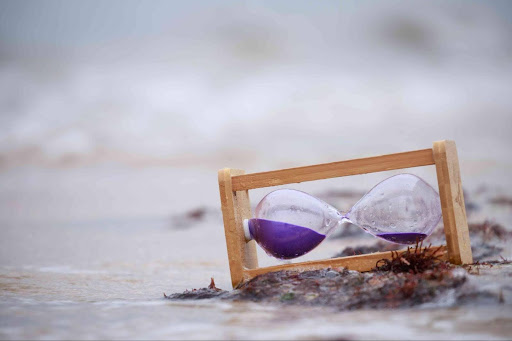
Time is not always experienced in straight lines. It lives in feelings and moments. This theme encourages you to explore memories and change through emotion rather than factual detail. You might express nostalgia or anticipation using symbolic imagery. Allow softness or repetition to communicate how memories fade or evolve. Let your artwork capture how time feels. Not just how it looks.
Basic Prompt: A childhood memory with a soft and emotional feeling.
Art Prompt: Soft, nostalgic illustration of a childhood memory using blurred edges. Warm sunlight, faded textures, emotional, painterly style.
Theme 5: Mental health and inner balance
This theme focuses on emotional landscapes. Stress, calm, confusion, healing, and everything in between. You are invited to translate invisible feelings into visual form using shapes. Also, colors and movement. There is no need to hide discomfort here. Let tension or unexpected palettes express inner states. At the same time, explore what balance means to you personally. Your artwork can become a safe space for honest reflection.
Basic Prompt: A person feeling anxious and calm at the same time.
Art Prompt: Abstract digital illustration of anxiety visualized as sharp black tangled shapes surrounding a small glowing figure. Dark background, high contrast lighting, emotional, surreal style.
Theme 6: Society and human connection
Human connections are everywhere. You can feel it in the crowd and quiet moments. This theme asks you to observe relationships between people. It can be visible or unseen. You can show people feeling isolated or simple moments of connection that matter. Use composition and space to give a feel of closeness or separation.
Basic Prompt: Two people connecting in a busy city.
Art Prompt: Two strangers in a city scene connected by a glowing, invisible thread. Soft evening lighting. Cinematic depth. Emotional realism.
Theme 7: Hope, healing, and resilience
Hope does not always look bright. It often grows slowly through struggle. This theme encourages you to explore strength and emotional rebuilding. You can show healing as imperfect and ongoing. Rather than complete. Look for gentle symbols of progress. Let your artwork acknowledge hardship while still holding space for optimism.
Basic Prompt: Something hopeful growing in a dark place.
Art Prompt: Dark stormy scene with a tiny glowing flower growing through concrete. Dramatic lighting. Hopeful mood. Cinematic illustration.
Theme 8: Burnout, pace, and productivity culture
Modern life often moves faster than our minds and bodies can follow. This theme invites you to reflect on pressure and constant motion. You might use patterns. Or crowded compositions. Sometimes stillness feels emotionally heavy. Allow your artwork to question productivity and explore what rest.
Basic Prompt: A tired person surrounded by work and pressure.
Art Prompt: Still image of an exhausted office worker surrounded by floating clocks and endless paperwork. Muted colors with a heavy atmosphere. Surreal digital painting.
Adapting prompts for different art mediums
Each medium reveals something different:
Drawing and illustration: Focus on line, symbolism, and composition.
Painting and mixed media: Experiment with texture, layering, and color psychology.
Digital art and AI-assisted creation: Combine manual creativity with generative tools to explore new possibilities.
Sculpture, collage, and installation: Translate prompts into physical form using found objects or spatial design.
You don’t need expensive materials. Simple tools and curiosity are enough.
Turning prompts into a daily or weekly art practice
Start small. Two or three sessions per week are plenty. Create a prompt calendar or choose one theme per week. Pair your artwork with short written reflections or visual journaling to track your creative growth. Revisit old prompts every few months. You will be surprised by how differently you interpret them over time. Sharing your work online or in critique groups adds accountability. Open space for meaningful feedback.
Remember: Progress comes from showing up! Not from waiting for inspiration!
Conclusion
Begin without perfection or pressure. It can happen that some days your work will feel powerful. While on some days it will feel awkward. Both count. Prompt-based practice is about process, not performance. With consistent exploration, your artistic voice naturally gains experience. It strengthens your artwork. Each piece becomes a stepping stone. The right AI art prompts help every creation become a meaningful artwork. Let these prompts guide you. Let curiosity lead. And most importantly, keep creating, even when it feels imperfect. Work on the art industry's best tool on Zawa. You will experience the best of your imagination with it.
Related Articles

100+ Free Stable Diffusion Prompts to Generate Amazing AI Art

15 Top AI Art Generators to Create the Best Masterpieces

35 AI Image Prompt Examples: How to Get Outstanding AI Images
5 Free AI Random Image Generators—Generate Unique Images Instantly Online

5 Tools to Extract & Convert Images to Text
6 Free Art Prompt Generators
60+ AI Art Styles to Transform Your Prompts into Masterpieces

8 Best Image-to-Image AI Generators: Transform Existing Photos with AI

How to Turn Any Sketch into a Digital Image Using AI

Image to Drawing with AI for Sketches, Line Art, and Illustrations

Most Popular AI Art Examples!

How to Write AI Art Prompts to Get Desired Results?

12 Trusted Green Logo Examples Used by Successful Brands
20 Best Lettermark (Monogram) Logos in the World
2D Animation vs. 3D Animation: A Detailed Guide for 2026

2D logo vs 3D logo: Which One is More Impactful for Branding

45 Brand Color Palette Examples To Consider For Businesses

50 Famous Logos in the World and What Makes Them Timeless
9 Types of Logos You Must Know Before Designing

How to Create a Logo for Bakery Business

9 Best AI Tools for Graphic Design
8 Best AI Interior Design Tools to Redefine Your Living Space

7 Best AI Packaging Design Tools to Transform Your Brand
7 Best Bar Interior Design Ideas for a Modern Look

14 Best Café Interior Design Ideas to Maximize Your Space and Brand
25 Best Fashion Logos We've Ever Seen and the AI That Creates Logos

Best Poster Design Ideas: Creative Concepts and AI Tools for 2026

9 Best AI Poster Design Tools to Try in 2025
Best Restaurant Logo Design Ideas to Make Your Brand Stand Out

30 Best Restaurant Logos We've Ever Seen and How to Create Yours

Best YouTube Logo Makers
Choosing the Right Logo Font Generator for Your Business Style
Combination Logo: Everything A Brand Must Learn About This Powerful Logo Type

Emblem Logo That Tells Your Brand Story
Flyer vs. Brochure vs. Leaflet: What’s the Difference?

Replicate Any Poster You Love Instantly

How to Instantly Create Free Store Logo Mockups
How to Design a Good Advertising Poster

An In-Depth Guide on How to Make a Photography Logo

How to Create Logos For a Hair Salon?

How to Choose the Perfect Poster for Your Bedroom

How to Create Logos for a Barber Shop

How to Create Logos for Websites

How to Create Restaurant Logos That Attract Customers

How to Create Iconic Wedding Logos with AI

How to Design a Logo? Learn the Quick & Easy Steps
How to Design a Personal Logo? A Complete Guide!

How To Design an Abstract Logo For Your Brand

How to Design a Logo for Your Coffee Shop: Tips, Tools, and Ideas
How to Draw a Logo Easily: From Start to Finish

How to Make a Movie Poster That Grabs Attention in Seconds

How Wordmark vs. Lettermark vs. Brandmark Shapes Visual Identity
Human vs. AI in Design: Who Really Creates Better Art?
Logo Color Meanings and How to Choose the Best Color For Your Brand
Latest Logo Design Trends for 2026 Every Brand Should Follow

Mascot Logo: An In-Depth Guide a Brand Must Check
The Difference Between Motion Graphics and Animation: A Detailed Analysis

Pamphlet vs Brochure: A Complete Guide for Modern Businesses

Poster vs. Flyer: Key Differences Every Marketer Should Know

The Ultimate Guide to Remove Shutterstock Watermarks from Images

The Complete Wordmark Logo Design Guide

What is the Difference Between Graphic Design and Animation: A Detailed Guide for Beginners
What Are the Top Sources for Logo Design Inspiration

The Ultimate Guide For Restaurant Interior Design

What Is a Pictorial Mark Logo and 30 Famous Examples
What Makes a Good Logo? Tips, Rules, and More

What Makes a Good YouTube Thumbnail That Stops the Scroll