
GPT-Image-2 May Be Coming Soon. Here’s What the Early Results Suggest
GPT-Image-2 appears to be getting close to release. Based on leaked examples and public discussion, here is what the model may improve, how it compares with Nano Banana 2, and why it matters for logo and poster design.
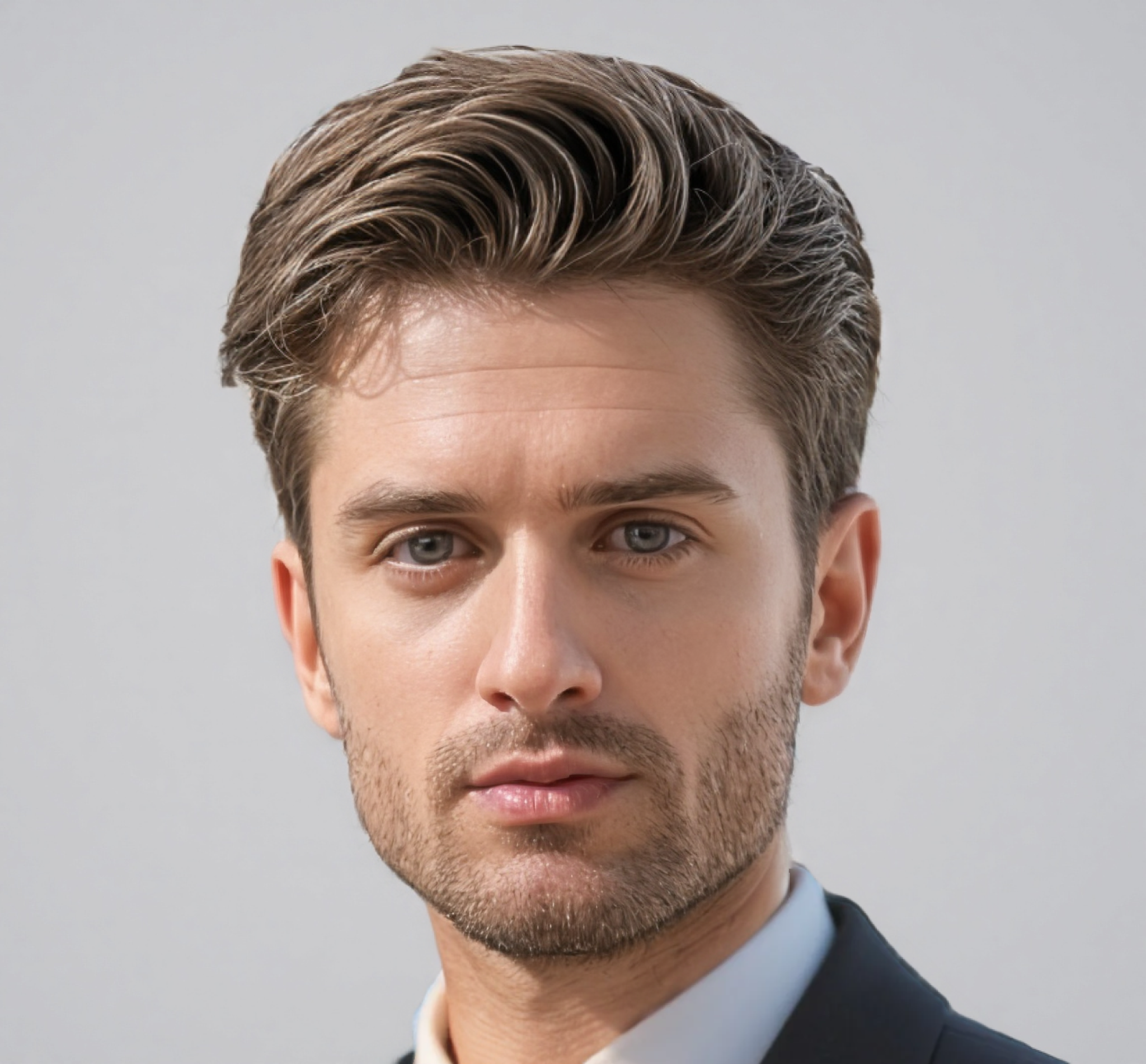
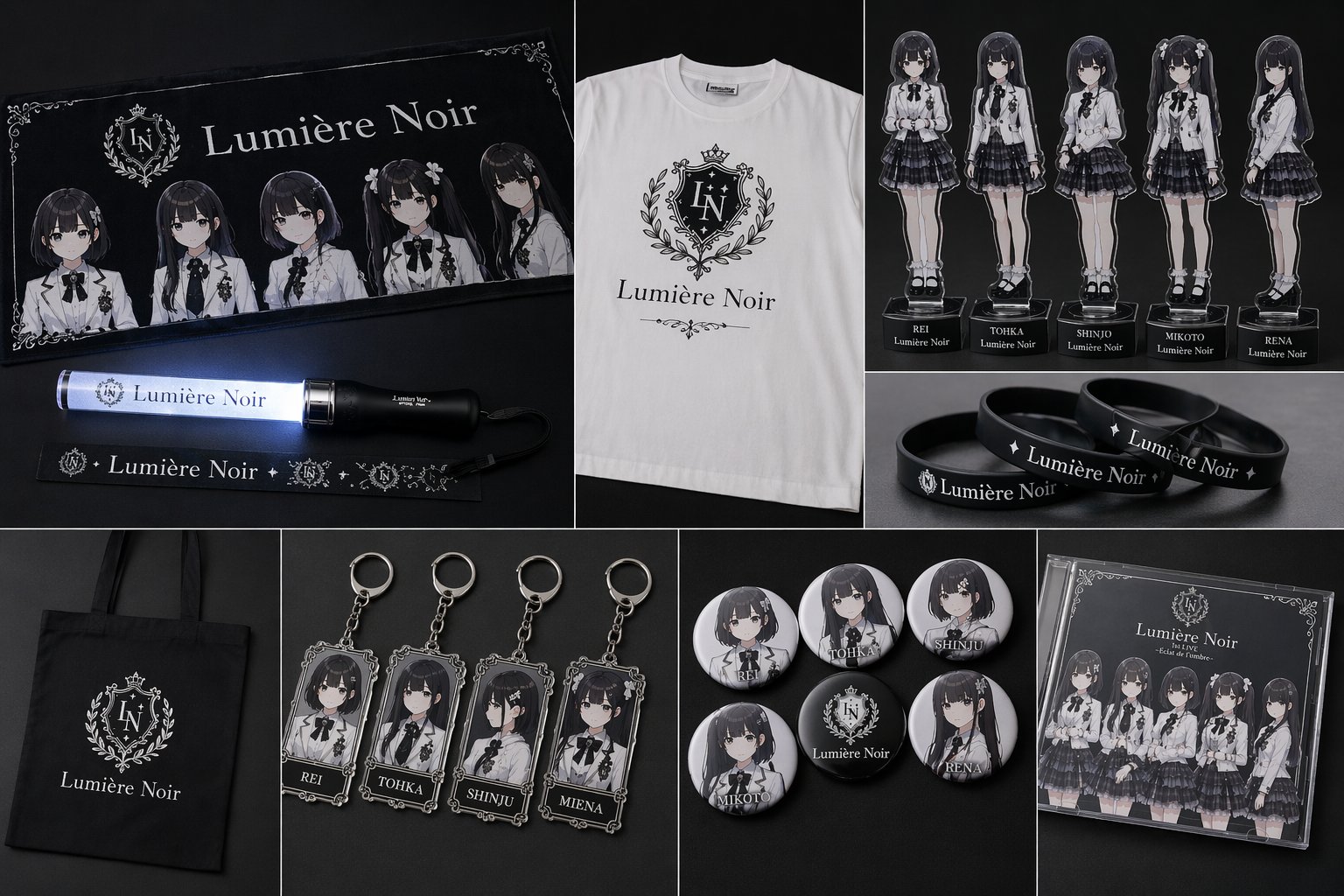
OpenAI may be getting close to releasing GPT-Image-2.
That is the conclusion many people reached after a new OpenAI image model briefly appeared on LMArena under multiple aliases, then disappeared almost immediately. According to The AI Corner, the model showed up under names like maskingtape-alpha, gaffertape-alpha, and packingtape-alpha. All three were pulled within hours.
That kind of removal usually means one thing: a public release may not be far away.
Why GPT-Image-2 is getting attention
The reason people are paying attention is not just that a new model leaked. It is the quality of the examples that circulated while it was live.
The early outputs point to three things very quickly:
- stronger photorealism
- better text rendering
- better understanding of specific real-world visuals
That combination matters more than a generic “better image quality” claim. In practice, it changes what kinds of assets people may be able to create with less cleanup.
What the early GPT-Image-2 examples show
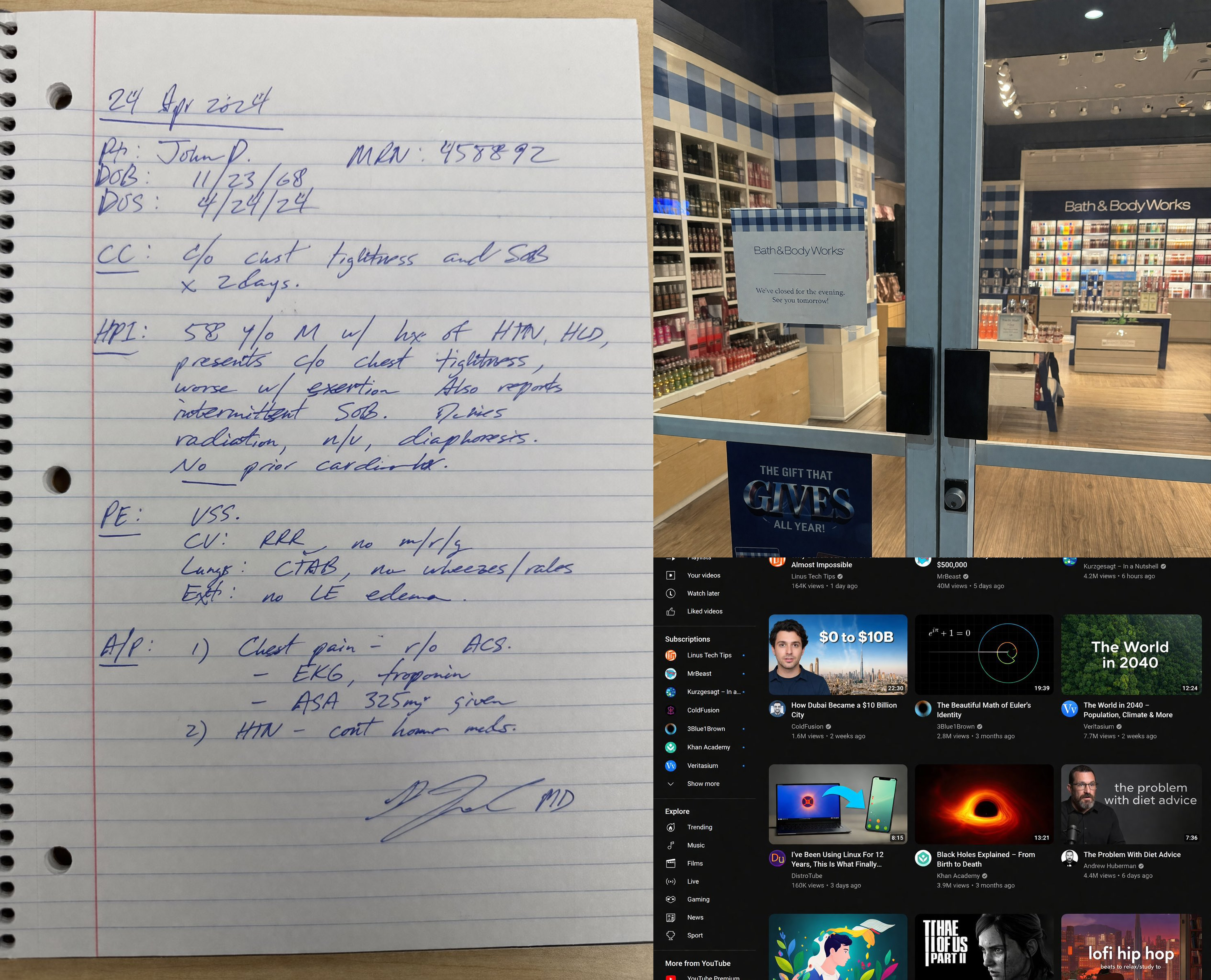
Based on the examples described in The AI Corner and discussed publicly on X, GPT-Image-2 appears to perform well on scenes that usually expose image model weaknesses.
These include:
- photorealistic portraits with more natural hands and lighting
- storefronts and interior scenes that look closer to real photography
- UI-like images that resemble actual screenshots
- handwritten notes that look more believable
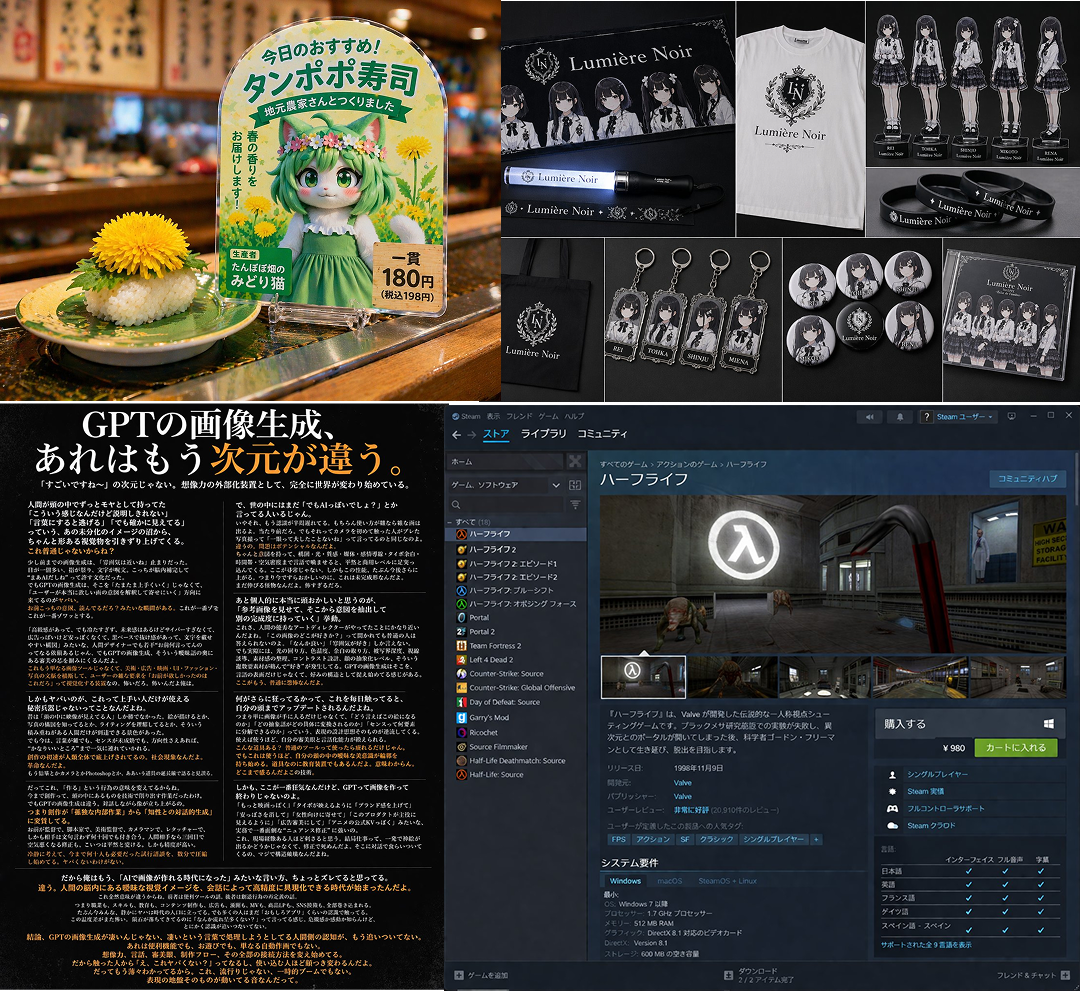
- game-style scenes with the correct interface logic
- comic-style panels with readable speech bubbles
The biggest pattern is simple: the images look less synthetic.
That does not mean every output will be perfect. It does mean GPT-Image-2 may be solving some of the problems that made earlier image models feel impressive at first glance but harder to use in real design workflows.
Text rendering looks like a real improvement
This may be the most important part.
For years, one of the easiest ways to break an image model was to ask for text inside the image. Posters, UI screens, ads, signs, and branded graphics all exposed the same issue. The image could look strong overall, but the text would drift, warp, or become unreadable.
The early GPT-Image-2 examples suggest that this may be changing.
According to The AI Corner, text sits inside the image more naturally instead of looking pasted on top. If that holds up in the public release, it could make GPT-Image-2 much more useful for:
- poster design
- logo exploration
- launch graphics
- branded social posts
- editorial covers
- interface mockups
For Zawa users, this is especially relevant. Brand design often depends on text as much as image. If a model gets both closer to the brief, it becomes much more useful.
GPT-Image-2 may also be better at world knowledge
Another point that came up in early reporting is world knowledge.
This sounds abstract, but the idea is practical. A good image model should not only create a “nice-looking” scene. It should know what certain things actually look like in context. That includes storefronts, operating system interfaces, product layouts, handwriting styles, game visuals, and branded environments.
The AI Corner described GPT-Image-2 as showing stronger knowledge of specific objects and scenes, not just general visual style. That could make a real difference for teams creating:
- brand concept visuals
- poster drafts
- ad mockups
- creative directions
- product campaign images
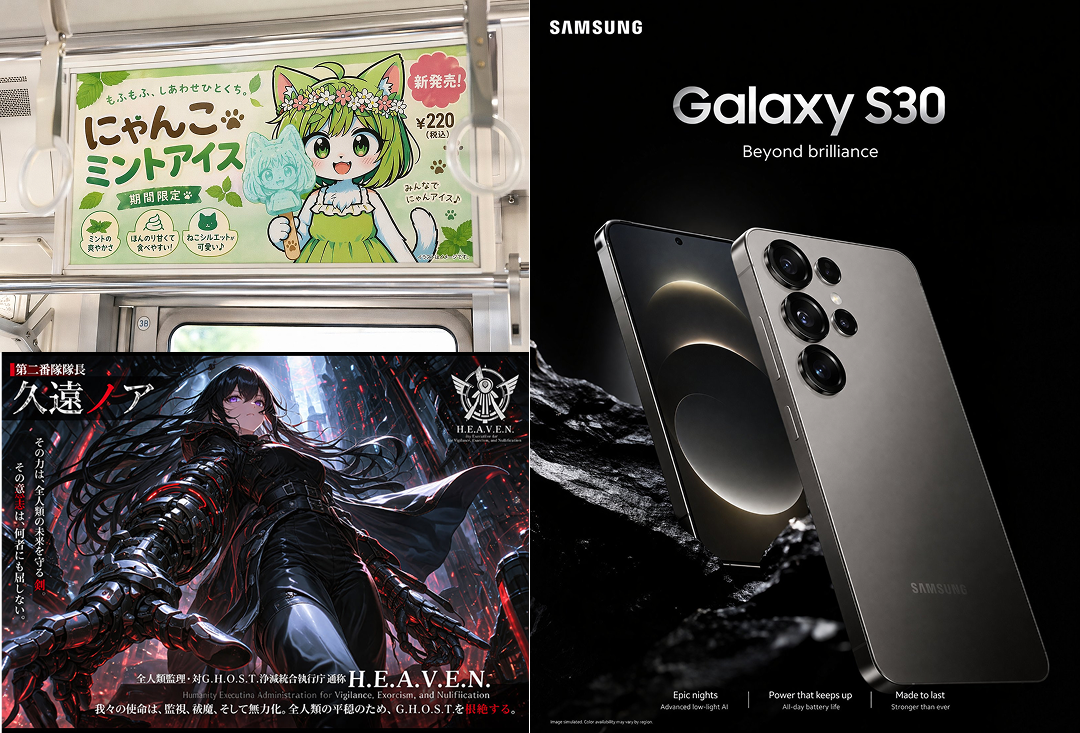
GPT-Image-2 vs Nano Banana 2
Right now, the most useful comparison is not with older OpenAI models. It is with Nano Banana 2, Google’s latest image model.
Google officially announced Nano Banana 2 on February 26, 2026, describing it as a model that combines Pro-level capabilities with Flash-level speed. Public materials and product pages around Nano Banana 2 highlight several strengths:
- fast generation
- faster editing
- improved prompt following
- stronger consistency
- production-ready outputs up to 4K
That gives Nano Banana 2 a clear advantage in speed and iteration. It already looks like a practical choice for teams that need to generate and edit images quickly.
GPT-Image-2 appears to be aiming at a slightly different strength profile.
Where GPT-Image-2 may be stronger
If the leaked examples reflect the release version, GPT-Image-2 may be stronger in:
- photorealism
- text rendering
- scene credibility
- world-aware image generation
- finished-looking output
Where Nano Banana 2 still looks strong
Nano Banana 2 still looks strong in:
- speed
- editing workflows
- rapid iteration
- scalable production use
- structured output for commercial content
In short, Nano Banana 2 looks like the faster production model today. GPT-Image-2 looks like the model that may push image quality and text rendering further if the public release matches the leaked examples.
| Feature | GPT-Image-2 | Nano Banana 2 |
|---|---|---|
| Current Status | Not officially released yet | Officially launched |
| Main Strength | Realism, text rendering, world knowledge | Speed, editing, iteration |
| Best For | Posters, brand visuals, mockups, creative drafts | Fast asset production and refinement |
| Text in Images | Looks especially promising from early examples | Strong and already usable |
| Workflow Style | More final-looking generation | More editing-first and speed-focused |
| Likely Use Cases | Logo ideas, posters, brand campaigns, social graphics | Product visuals, ad variants, rapid content workflows |
Why this matters for logo and poster design
This is where GPT-Image-2 becomes more than just another model rumor.
If text rendering and realism really improve at the same time, GPT-Image-2 could be much more useful for brand design workflows than earlier OpenAI image models.
For logo design, the value is not that the model will generate final brand systems on its own. The value is that it may produce cleaner logo directions, stronger symbol ideas, and more usable early-stage concepts.
For poster design, the value is easier to see. A better model can help with layout exploration, campaign visuals, title placement, and text-led compositions without breaking the image every time real wording appears inside the frame.
That is important because poster work sits exactly at the intersection of image quality and text handling. Most models still struggle there.
Zawa plans to support GPT-Image-2
This is also why GPT-Image-2 matters for Zawa.
Zawa focuses on brand design generation, so models are only useful if they help users create assets that fit real creative workflows. Based on the examples that have surfaced so far, GPT-Image-2 looks especially relevant for:
- logo exploration
- poster creation
- campaign visuals
- branded social graphics
- editorial-style brand assets
Zawa is preparing to support GPT-Image-2 as part of that workflow.
As GPT-Image-2 becomes available, Zawa users can expect to use it for generating brand visuals that look more realistic, posters with better text handling, and logo ideas that feel more structured from the start. Instead of using a general image model and then rebuilding everything manually, users may be able to start from outputs that are already closer to real design work.
Final thoughts
GPT-Image-2 is still not officially public as of April 17, 2026, so the right way to talk about it is with some caution.
But the early signals are strong.
The model appears to improve exactly the areas that matter most for practical design use: realism, text rendering, and understanding of specific visual contexts. If that holds up when OpenAI releases it, GPT-Image-2 could become one of the most useful image models yet for logo concepts, posters, and branded creative work.
And that is exactly why Zawa is watching it closely.
You May Also Like
10 Best AI Image to Video Generators Ranked (2026)
AI Prompt for Creating Viral Videos on YouTube (2026)
Create TikTok Video Ads with AI: Generate High-Converting Ads in Minutes
Veo 4 Could Change AI Video From Clip Generation to Scene Direction
GPT-Image-2 May Be Coming Soon
PixVerse vs Runway: Which AI Video Tool Is Better in 2026?
How to Use Pixverse V6: The Complete Step-by-Step Guide to AI Video Generation
How to Use Grok for AI Image Generation: A Complete Step-by-Step Guide
Why Grok AI Restricts Content (And How to Get Better Answers)
Is Grok Better Than ChatGPT? Key Differences You Need to Know

What Is Seedream 5.0 Lite and How to Use It to Create AI Images

How to Prompt with Kling: Examples and Pro Tips

Top 30 Prompts for Seedream Image Creation: A Detailed Guide

What is Seedance and how to use it

20 Seedance Prompts for AI Video Creation: Ready-to-Use Examples

Nano Banana 2 vs. Nano Banana Pro: What’s the Difference? (2026 Updated)

Nano Banana vs. Sora AI: Which Gen AI Tool Should You Use?

10 Viral Social Media Prompts You Can Create with Nano Banana Pro
Nano Banana for Fashion: AI-Powered Virtual Try-On Images

Nano Banana 2 vs Nano Banana 1 — What's Changing in Google's AI Image Editing Revolution?

The Super-Brain in Your Pocket: Speculating on Google's Next-Gen Nano Banana 2 (Pro)

How Zawa Nano Banana 2 (Pro) Reinvents Posters, Logos, and Brand Visuals

Nano Banana 2 (Pro) is HERE: The Game-Changing AI Upgrade for Zawa!

Most popular AI models you should know in 2026 (Tested & Tried)
What is Kling AI – A Complete Guide

How to Use Nano Banana?-Next-Gen AI Image Generator

A Complete Guide on How to Blend Photos with Nano Banana AI

How Big Is A 16x20 Photo?
Google Gemini 3 Pro: The Next Great Leap in AI Development

How To Generate Viral AI Videos With Sora 2 + Nano Banana 2 (Pro)
Gemini 3 Pro VS Gemini 2.5 — What to Expect from Google's Next AI Leap

Gemini 3 Pro & Nano Banana 2 (Pro): Release May Delay!

12 Best MidJourney Alternatives to Use For Image Generation

8 Best Image Extender Tools: The Ultimate AI Photo Background Expanders

15 Best AI Video Generators in 2025

10 Best AI Video Enhancers to Upscale Your Videos

10 Best AI Tools in 2025 for Powerful Image, Video, and Voice Generation

18 Best AI Tools for Small Businesses That Save Time and Cut Costs

10 Best AI Models You Should Know

20 Best AI Marketing Tools You Should Know in 2026

The Top 15 Best AI Logo Generators You Need to Know

13 Best AI Image Generators in 2025: Full Comparison

13 Best AI Headshot Generators for Professional Photos

8 Best AI Hairstyle Generators

We Tested Best AI Art Generators of 2025 — Here's What Actually Works

What are the Best AI Agents?

8 Best 3d Figure AI Tools for Stunning Creations

Seedream 4.5 vs Nano Banana Pro

I Tested Sora 2: The Essential Use Cases for Filmmakers and Marketers

Sora 2 vs ImagineArt AI — Which AI Creative Tool Wins in 2025?

Sora 2 vs Sora 1: What You Need to Know

Sora 2 vs Veo 3: A Head-to-Head Comparison for Video Content

Top 4 Best AI Image Generators for Realistic Photos and More

Top 6 AI Video Generators for Beginners and Experts

Top 6 Most Popular AI Image Generators: Complete Explanation
The Best Roles for Veo 3.1: Where Google's New AI Video Model Excels

What Are 3D Figures? A Beginner’s Guide to Collectibles and Models
What Are AI Agents? Understanding Their Role in the Next Tech Era

Hailuo AI Review – A Complete Guide [2025]

What is Luma AI – The Complete Guide

What is Nano Banana AI: 8 Best Use Cases for Generating Realistic Images
What is Runway AI – The Complete Guide
What Is Sora 2 AI -The Complete Guide

What is Sora AI and How Does it Work
What is VEO 3.1? The Video Model That Demands Creative Control
What is Veo 2 and How Does it Work: The Ultimate Veo 2 Guide
What is Veo 3 and How Does it Work – A Detailed Guide

The Creator's Guide to Veo 3.1: What's Changed and How to Use it
What's New in Veo 3.1 + Nano Banana 2 (Pro): Top Features Not to Miss
What is Krea AI and How Does it Work

Seedance 2.0: Next-Gen AI Video Generation for Modern Creators

14 Best AI Productivity Tools That You Need in 2025
