How to Eat Sushi Properly: Etiquette for Every Sushi Style
Learn how to eat sushi properly with practical tips for nigiri, sashimi, maki, temaki, and gunkan. This guide covers soy sauce, wasabi, ginger, chopsticks, ordering, omakase, allergies, and respectful sushi restaurant etiquette for first-time diners.

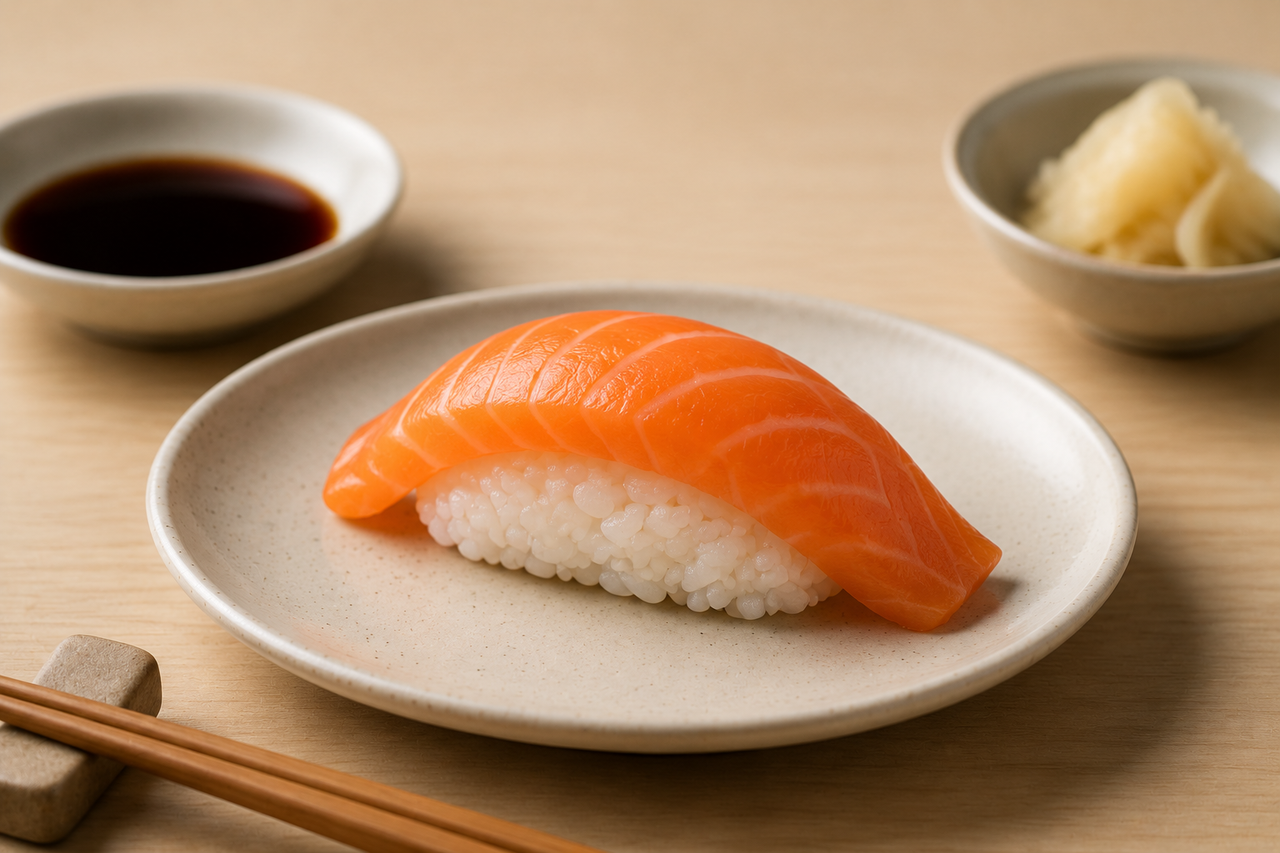
Sushi etiquette becomes much easier once three questions are separated: what kind of sushi is being served, how the piece should be handled, and whether it already has seasoning. The answer changes with the structure of the food and the style of the restaurant, so one rule rarely fits every situation.
A casual roll restaurant leaves plenty of room for personal preference, while a chef-led counter pays closer attention to timing and presentation. Understanding those differences helps diners avoid common mistakes without turning the meal into a performance.
What to Know Before You Order
The names on a sushi menu reveal whether an item contains rice, how it is assembled, and how it will arrive at the table. A little preparation also makes it easier to ask useful questions, communicate dietary restrictions, and order an appropriate amount.
Sushi vs. Sashimi
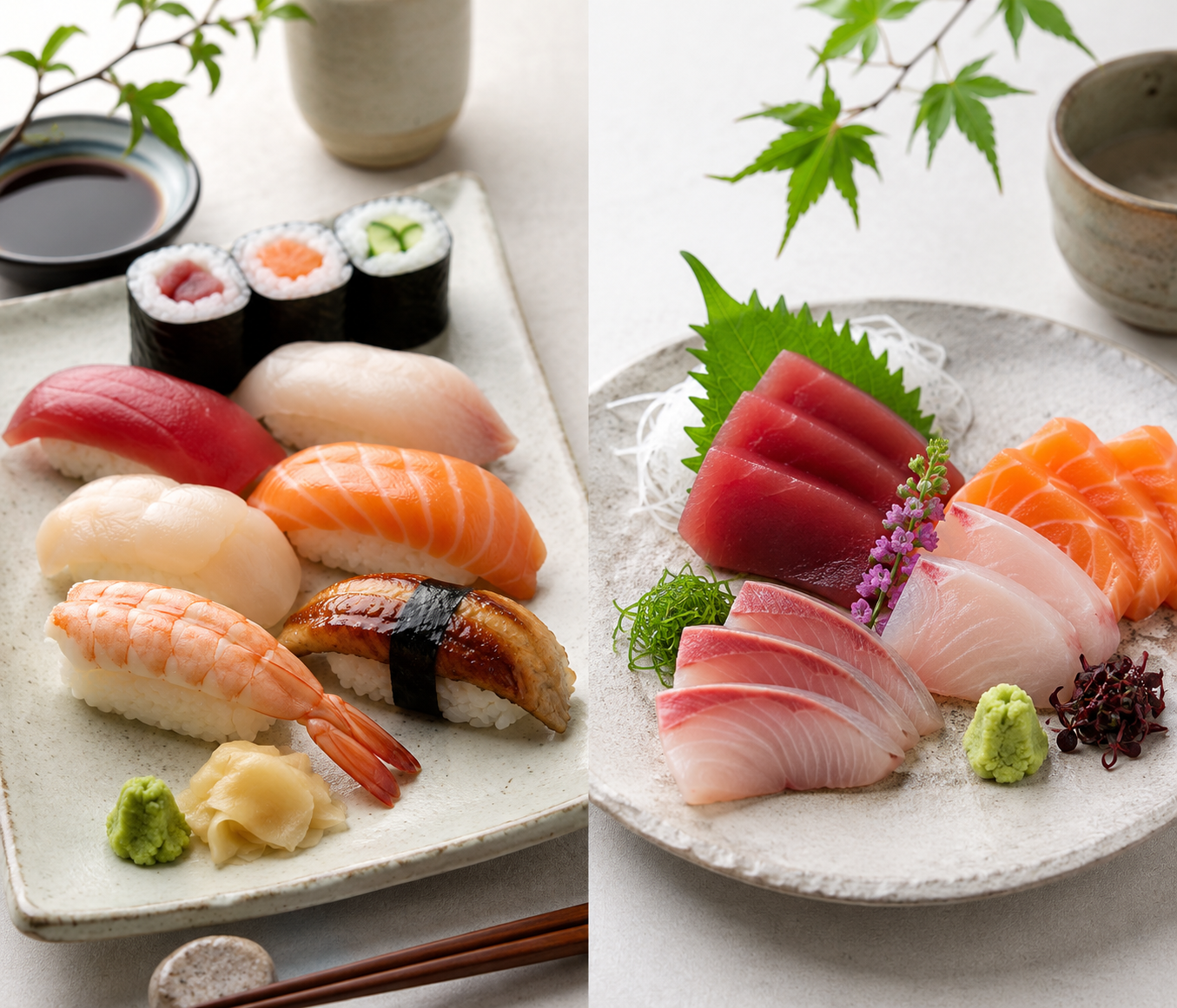
Raw fish alone does not make a dish sushi; seasoned rice is the defining element. Sashimi removes the rice entirely and presents fish or seafood in carefully cut slices.
Sushi: Vinegared rice combined with raw or cooked seafood, egg, vegetables, or other ingredients
Sashimi: Sliced raw fish or seafood served without sushi rice
This distinction explains why a vegetarian roll still qualifies as sushi, whereas a plate of raw tuna slices is considered sashimi.
Nigiri, Maki, Gunkan, and Temaki
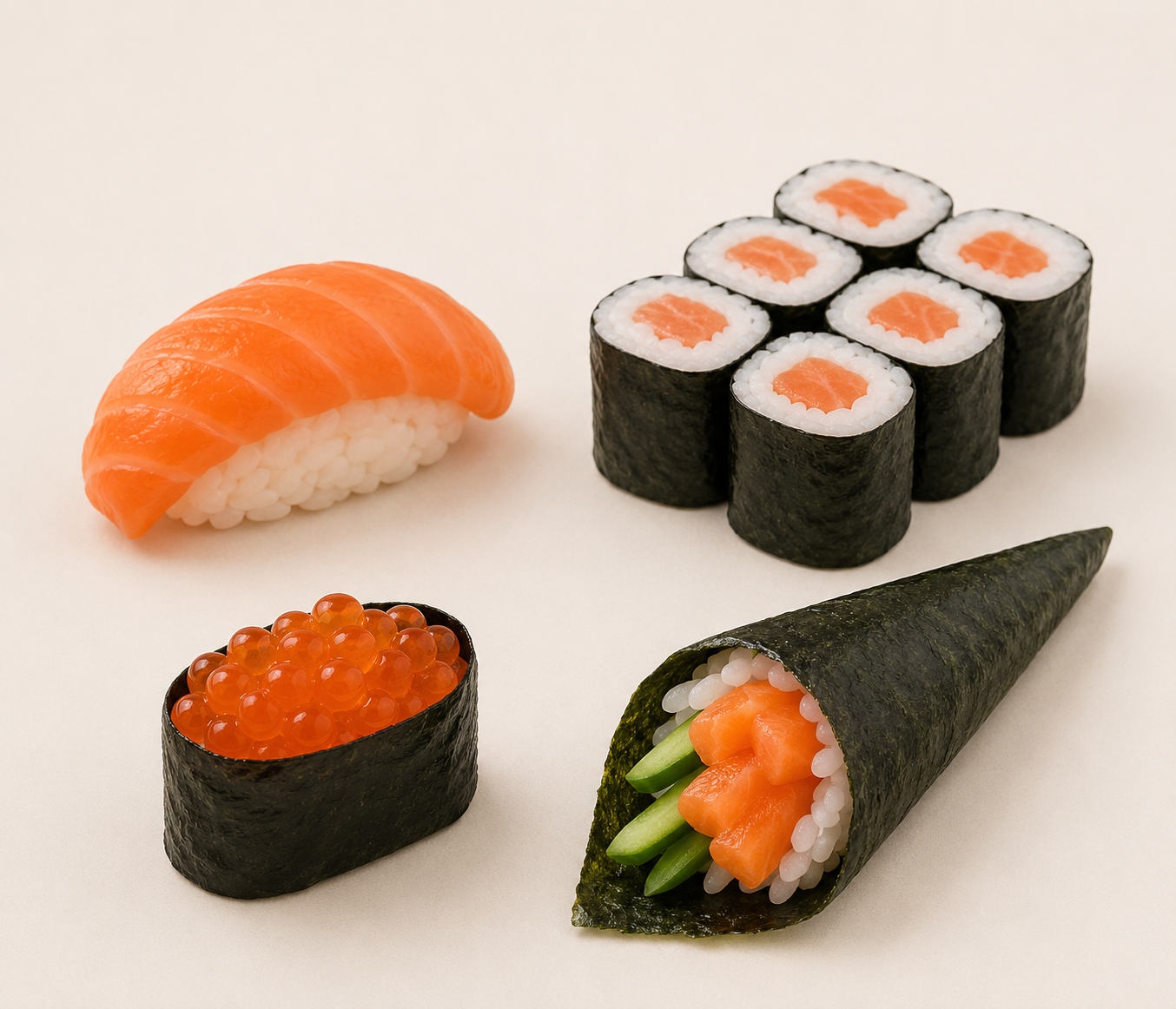
Shape and construction separate the main sushi styles:
Nigiri: Hand-pressed rice topped with fish, seafood, or egg
Maki: Rice and fillings rolled in nori and cut into pieces
Gunkan: An oval of rice wrapped in nori to hold roe or another loose topping
Temaki: A cone-shaped hand roll prepared as an individual portion
These formats also affect how the food is normally ordered. Nigiri and gunkan may be available by the piece or pair, maki usually arrives as a sliced roll for sharing, and temaki is commonly prepared for one person. For restaurants using a visual menu created through a flexible design platform such as Zawa, showing these differences beside the item names can reduce ordering confusion.
Ask What’s Fresh
“Is the fish fresh?” rarely produces a useful recommendation because freshness should already be expected at a reputable restaurant. A better question is, “What is especially good today?” or “Which fish is in season?” When a printed menu is available only in Japanese, a Japanese image translator can help identify basic dish names before you ask the server about seasonal choices. The chef may recommend a newly arrived catch or fish that has been intentionally aged, cured, or lightly seared.
Tell Food Allergies Early
Before placing an order, clearly name any food allergy and explain its severity. Sushi kitchens frequently handle fish, crustacean shellfish, soy, wheat, sesame, and egg, while shared knives, boards, sauces, and fryers may create cross-contact. Instead of making a general statement such as “I cannot eat gluten,” ask whether the soy sauce, imitation crab, tempura batter, or preparation area contains the allergen. If the restaurant cannot confirm that an item can be prepared safely, do not order it.
How to Eat Different Types of Sushi
Construction determines handling. Some pieces are stable enough for either fingers or chopsticks, while others need to remain upright because their toppings are loose. The following techniques focus on getting each piece from the plate to your mouth without damaging it.
Nigiri: Hands or Chopsticks
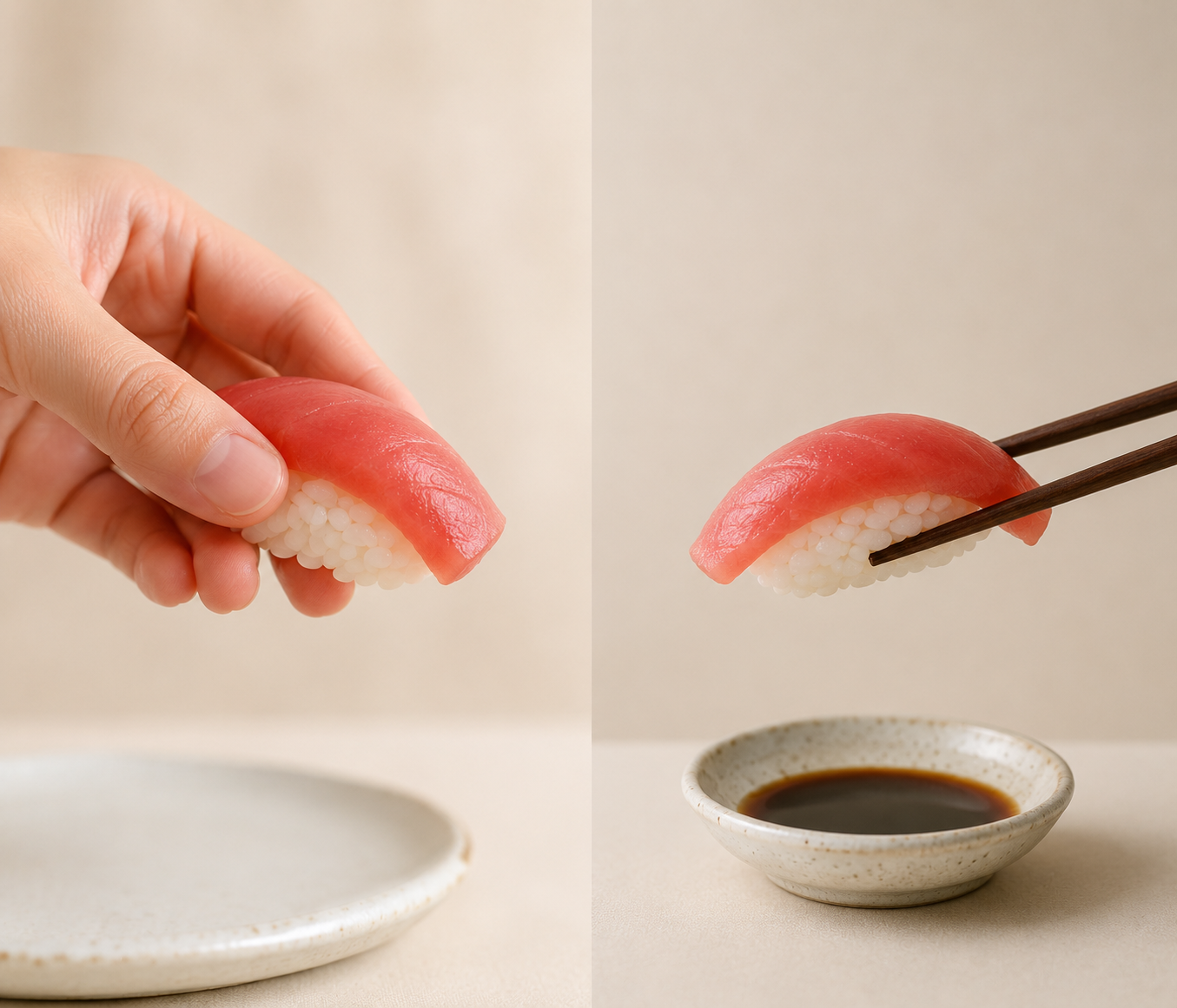
Both clean hands and chopsticks are acceptable for nigiri. Fingers can support the rice and topping together, while chopsticks should approach from the sides rather than press down from above. A light grip keeps the topping aligned and prevents the rice mound from splitting.
Sashimi: Use Chopsticks
With no rice underneath, each sashimi slice can be lifted directly with chopsticks. Hold the center or slightly thicker portion of the fish instead of piercing it. When two slices overlap, separate them before lifting so the remaining pieces are not dragged across the plate.
Maki: Pick It Up Gently
Maki stays together best when pressure is applied near the outer edge. Squeezing the center may push rice or filling through the opposite side, particularly with loosely packed rolls. Keeping the cut face upright provides additional stability and prevents soft ingredients from sliding out.
Temaki: Hold the Cone Upright
Hands provide better control than chopsticks for a cone-shaped hand roll. Rest the narrow end in your palm while keeping the open end slightly raised so the filling remains inside. Once you begin eating, avoid setting the roll down between bites because the wrapper may loosen and spill its contents.
Gunkan: Support the Nori Walls
An upright, steady lift works best for gunkan because roe or chopped seafood sits loosely on top. Fingers can hold the two nori walls, while chopsticks should apply only enough pressure to secure the sides. If the wrapper already feels soft, support the base with a finger rather than squeezing it harder.
What Order Should You Eat Sushi In?
For an à la carte meal, flavor intensity offers a useful starting point: mild seafood can come first, followed by richer fish and strongly seasoned items. Texture and temperature sometimes take priority, however, so a newly served hand roll should not be left waiting simply because it arrived earlier than expected.
Start With Light, Mild Fish
Lean white fish and delicately flavored seafood allow the palate to notice subtle sweetness and texture. Sea bream, flounder, squid, and scallop can therefore work well near the beginning of a meal. The exact sequence among mild toppings matters less than tasting them before spicy sauces or richer fish dominate the palate.
Move On to Toro and Unagi
Fuller flavors can take center stage later. Toro has the richness of fatty tuna, whereas cooked unagi combines a soft texture with a sweet-savory glaze. Fried rolls, spicy preparations, and heavily sauced specialty rolls also fit naturally toward the end of the progression.
Eat Nigiri While the Rice Is Warm
Freshly shaped nigiri may arrive with rice that is slightly warm or close to room temperature, depending on the chef’s style. Waiting too long allows the rice to cool and firm while the topping changes temperature. Rather than saving several favorite pieces until the end, eat each one reasonably soon after it reaches the plate.
Eat Hand Rolls While Crisp
A hand roll may interrupt the mild-to-rich sequence because texture matters more than flavor order in this case. Moisture from the rice and filling gradually softens the nori, changing both its taste and structure. When temaki arrives, finish it before returning to any nigiri or shared rolls still on the table.
Follow the Chef During Omakase
During omakase, the chef shapes the progression around seasonality, temperature, preparation, and flavor intensity. Although AI in the food industry now supports tasks such as sourcing, inventory tracking, and menu planning, it cannot replace the chef’s judgment about an ingredient’s condition or the right moment to serve it. Accepting each course in sequence allows those carefully planned contrasts to work as intended.
How to Use Soy Sauce, Wasabi, and Ginger
Condiments serve different purposes: soy sauce adds salt and umami, wasabi contributes heat, and pickled ginger refreshes the palate. Keeping those roles separate prevents delicate seafood from being overwhelmed.
Soy Sauce: Dip the Fish Side
A shallow pour is usually sufficient, and more can be added later if needed. With unseasoned nigiri, gently turn the piece and touch the topping—not the rice—to the sauce; rice absorbs liquid quickly and may break apart. One edge of maki can be dipped lightly, while sashimi may touch the sauce directly. Pieces brushed with nikiri or another glaze generally need nothing extra.
Wasabi: Use Just a Little
Many nigiri pieces already contain wasabi between the topping and rice. When additional heat is wanted, a small amount placed directly on the fish offers better control. Mixing a large portion into the soy sauce is not necessarily forbidden in a casual restaurant, but it can overpower subtle ingredients and make every piece taste similar.
Ginger: Eat It Between Pieces
Pickled ginger acts as a palate cleanser rather than a sushi topping. A small slice between contrasting types of fish can clear lingering richness or seasoning before the next bite. It is particularly helpful after fatty tuna, eel, or a strongly flavored roll, although there is no need to eat it after every piece.
Sushi Restaurant Etiquette That Matters
Most sushi etiquette comes down to respecting the food, the people preparing it, and the diners nearby. Expectations remain fairly relaxed in casual restaurants, while small chef-led counters place greater importance on communication and consideration.
Taste Sushi Before Adding Sauce
A finished piece may already contain wasabi, nikiri soy sauce, salt, citrus, or another seasoning selected for that particular topping. Taking the first bite as served lets you judge whether anything else is necessary. More seasoning can always be added to the next piece, but an oversalted bite cannot be corrected.
Eat It in One Bite When You Can
Traditional nigiri and standard maki are generally sized so the rice, topping, and seasoning can be experienced together. Dividing a delicate piece may cause it to collapse or create an uneven balance between ingredients. Oversized specialty rolls are an exception—comfort and safety matter more than forcing an impractical portion into one bite.
Rest Chopsticks Beside Your Plate
Between bites, place chopsticks on the provided rest or neatly beside the plate. Sticking them upright in rice resembles a Japanese funeral offering, while pointing them toward another diner can appear impolite. At a compact counter, where efficient restaurant interior design places diners close to both the chef and one another, a tidy resting position also keeps the used tips away from the table and shared service area.
Never Pass Food With Chopsticks
Food should not be transferred directly from one person’s chopsticks to another’s because the gesture resembles part of a Japanese cremation ritual. When sharing sushi, place the piece on the other diner’s plate or use the serving utensils provided. This method is also less likely to damage or drop the food.
Keep Photos Quick and Discreet
A quick photo is usually acceptable when it does not interrupt service or include other guests without permission. Anyone who wants a better image can apply a few basic food photography techniques without turning the meal into a lengthy photo shoot. Avoid flash, large camera setups, and repeated filming at a small counter; if the restaurant’s policy is unclear, ask once at the beginning of the meal.
Know When Omakase Rules Apply
Formal expectations usually begin with a reservation-based, chef-led menu rather than ordinary à la carte dining. Arriving on time matters because several guests may receive courses together, while allergies and strong dislikes should be communicated during booking whenever possible. Photography policies, substitutions, and additional orders vary by restaurant, so a short question is more useful than assuming every omakase counter follows identical rules.
FAQs
Is It Okay to Ask for a Fork at a Sushi Bar?
Yes. Asking for a fork is better than struggling with chopsticks or repeatedly dropping food. Nigiri, maki, and temaki may also be eaten with clean hands, while a fork can be practical for cooked dishes and side items.
Is It Rude to Leave Sushi Unfinished?
Not automatically, although ordering much more than you can eat may appear wasteful. At an omakase counter, let the chef know early if the portions are becoming too large. An allergy, food-safety concern, or unexpected ingredient is always a valid reason to stop eating.
Can You Share Sushi With Other People?
Yes, sharing is common in many casual sushi restaurants. Move the piece with serving utensils or let the other person take it directly from the shared plate instead of transferring it between chopsticks. Because omakase courses are usually prepared for individual diners, ask before passing one to someone else.
What Sushi Is Best for Someone New to Raw Fish?
Cooked shrimp, unagi, tamago, California rolls, and cucumber or avocado rolls are approachable choices that do not require raw fish. Someone ready to try raw seafood might begin with salmon, lean tuna, or a mild white fish. Simple nigiri makes the natural flavor and texture easier to understand than a heavily sauced specialty roll.
Should You Tip the Sushi Chef Separately?
Local customs determine the answer. In the United States, tipping on the restaurant bill is normally sufficient unless the restaurant provides a separate system for rewarding the chef. Tipping is generally not customary in Japan and may be politely declined.
Conclusion
Good sushi manners are based more on awareness than perfect technique. Handle each style without damaging its structure, communicate allergies before ordering, and adjust your behavior to the restaurant rather than applying formal counter rules everywhere. When a situation is unclear, observing the staff or asking a brief question is more respectful than guessing.
You May Be Interested

150+ Instagram Bio Ideas for Moms

80+ X(Twitter) Bio Templates and Examples

15 Top AI Art Generators to Create the Best Masterpieces

20 Best Lettermark (Monogram) Logos in the World

30 Teamwork Quotes That Build Stronger and Smarter Teams