
What Is a Tasting Menu and How to Design One
Tasting menu design combines seasonal ingredients, balanced courses, thoughtful pacing, and clear presentation. Learn the key steps, service tips, and common mistakes behind a memorable dining experience.

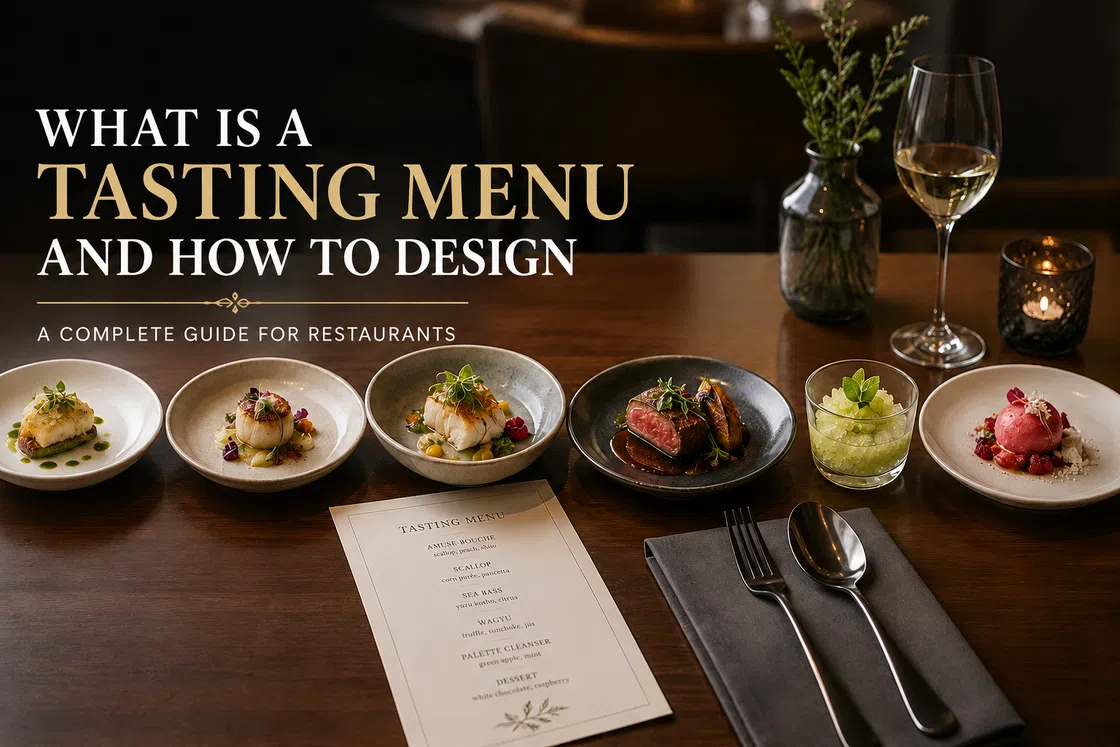
A great tasting menu does more than just feed people. By pacing out a series of small, refined dishes in a specific order, the chef carefully designs the entire evening. The goal is simple. The menu pairs house specialties with fresh seasonal ingredients to show guests exactly what the kitchen stands for. Every course flows smoothly into the next. This creates a completely cohesive experience from the very first bite down to dessert.
What Is a Tasting Menu?
A tasting menu is a direct connection between the chef and the guest. It replaces the traditional three-course meal. You do not just get an appetizer, a main course, and a dessert. Instead, the experience features a long series of small plates. The meal can easily exceed ten courses.
The kitchen keeps each portion small. This allows you to experience a wide variety of ingredients, textures, and cooking techniques. You get to try many different flavors without getting full too quickly.
Benefits of Offering a Tasting Menu
A tasting menu creates a deeper dining experience. It helps build the restaurant's brand. It also improves daily kitchen operations.
Showcase Your Best Dishes
A tasting menu highlights the restaurant's best work. It features signature dishes throughout the night. This ensures every guest tastes the flavors that define the kitchen's style. The meal leaves a lasting impression. It builds great word of mouth and brings guests back. Using the same visual style across the menu, signage, and restaurant logos can make the overall dining experience feel more consistent.
Give Chefs More Creative Freedom
Guests do not choose individual dishes here. This gives chefs complete control over the entire meal. They can design a clear progression of flavors, textures, and styles. It gives chefs room to test new ideas. They can share a complete culinary vision with every guest.
Test Seasonal and New Menu Ideas
The flexible structure makes it easy to experiment. Chefs can introduce limited seasonal ingredients. They can also serve small portions of experimental dishes. Guest reactions provide immediate feedback. This helps the kitchen fix recipes and decides if a dish belongs on the permanent menu.
Once a seasonal menu is ready, a good advertising poster can introduce the limited-time concept without overwhelming guests with too much information.
How to Design a Tasting Menu
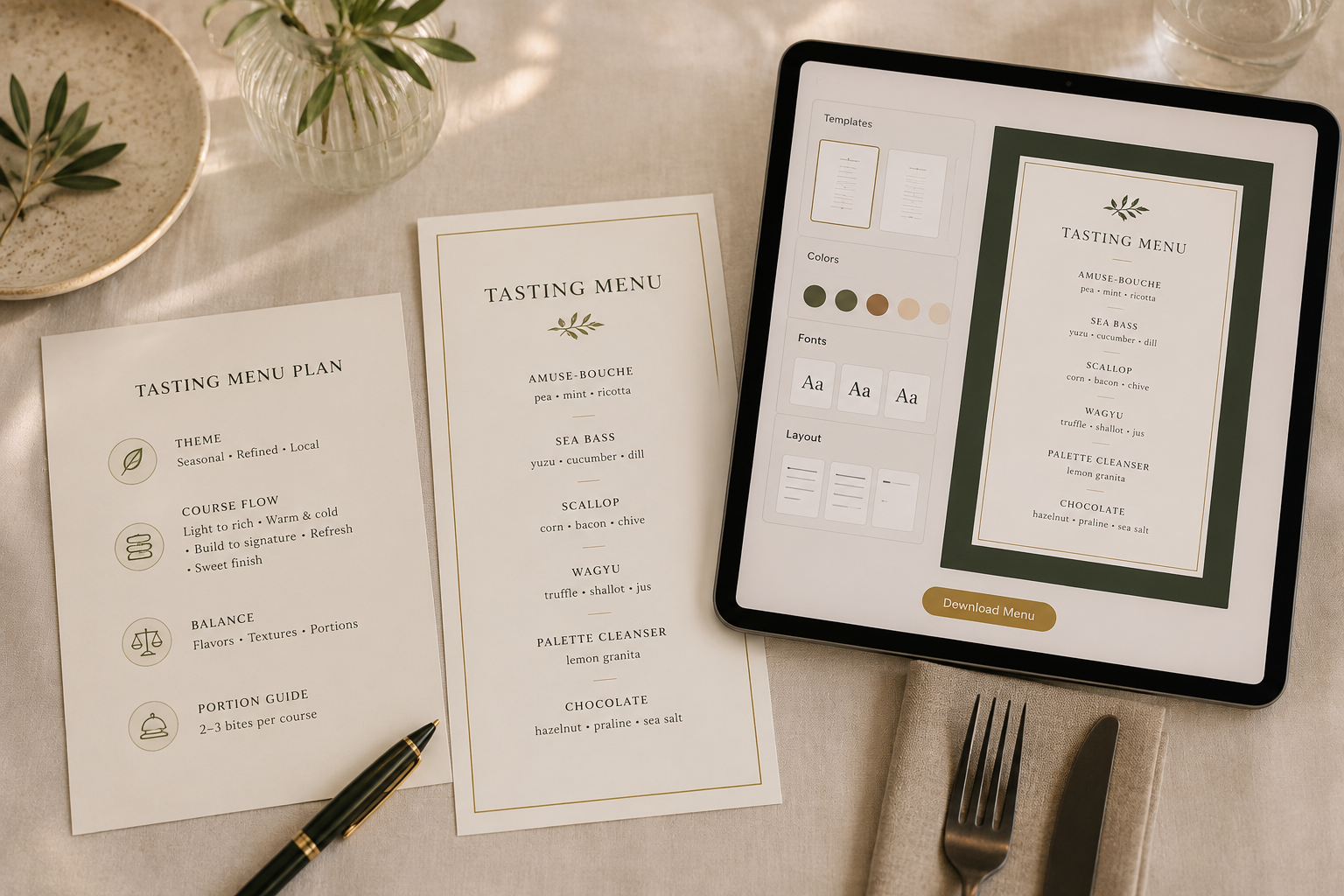
Every great tasting menu starts with a clear theme and a balanced course order. Portions must be satisfying, but never overwhelming. To keep guests engaged, each dish should build on the last one by shifting flavors, textures, temperatures, and presentations as the meal moves forward. Once this structure is set, an AI menu maker can help you generate a polished layout with clear descriptions and consistent branding. Good spacing makes it easy to read.
Step 1: Define the Theme and Guest Experience
Decide what story your meal will tell. You can highlight a specific region. You can also explore a unique cooking technique. A clear theme sets the tone. It connects every course naturally. Guests get more than just random plates of food. They enjoy a complete dining experience with a clear beginning, middle, and end.
The menu’s visual style should reflect the same theme, from its colors and typography to the restaurant logo and other branding details. A clear theme should also shape the menu’s colors, typography, and layout. The strongest restaurant logo design ideas follow the same principle by turning a restaurant’s story into a consistent visual identity.
Step 2: Select Seasonal Ingredients
Look for the freshest seasonal ingredients. In-season produce tastes better and costs less. It connects your menu to the current season. Using seasonal food makes updates easy. You can change the menu throughout the year. This gives returning guests something new to try.
Seasonal menus often use warmer tones in fall and lighter shades in spring, much like many brand color palette examples that create a distinct mood while keeping the overall visual identity consistent.
Step 3: Balance Flavors, Textures, and Portions
Balance is key when serving many courses. Mix crisp and tender textures. Alternate light and rich flavors. Switch between warm and chilled dishes. This keeps the meal interesting. Portions must stay small. Aim for two or three bites per course. Guests should want the next dish. They should not feel full halfway through.
Step 4: Choose a Signature Highlight
Every menu needs one standout dish. This centerpiece is usually the main course. It should showcase your kitchen's best skills. Use top-quality ingredients. Choose a preparation that represents your restaurant's identity. Guests might forget some courses. However, they will talk about the signature dish long after the meal.
Step 5: Arrange the Course Progression
Put your dishes in a natural order. Start with light appetizers or cold plates. Move on to richer seafood and meat courses. Finish with a refreshing dessert. This brings the meal to a satisfying close. The flow should feel smooth. Each course builds momentum toward the main highlight.
Step 6: Price, Test, and Refine the Menu
Calculate food and labor costs first. Use these numbers to set a fair price. Next, test the full menu. Invite your team or a few regular guests to try it. Check the service pace and flavor balance. Look closely at portion sizes and kitchen timing. Use their feedback to fix any issues. Refine every detail before launching the menu to the public.
Before launch, free store logo mockups can help you preview how the menu, table cards, and signage will look together and catch inconsistencies before printing.
Tips for a Better Tasting Menu Experience
A great tasting menu is more than just pretty plates. The guest experience must guide every choice. Tableware, pacing, and service all shape how guests feel. These small details make the meal comfortable and memorable.
Use Simple Plates That Highlight the Food
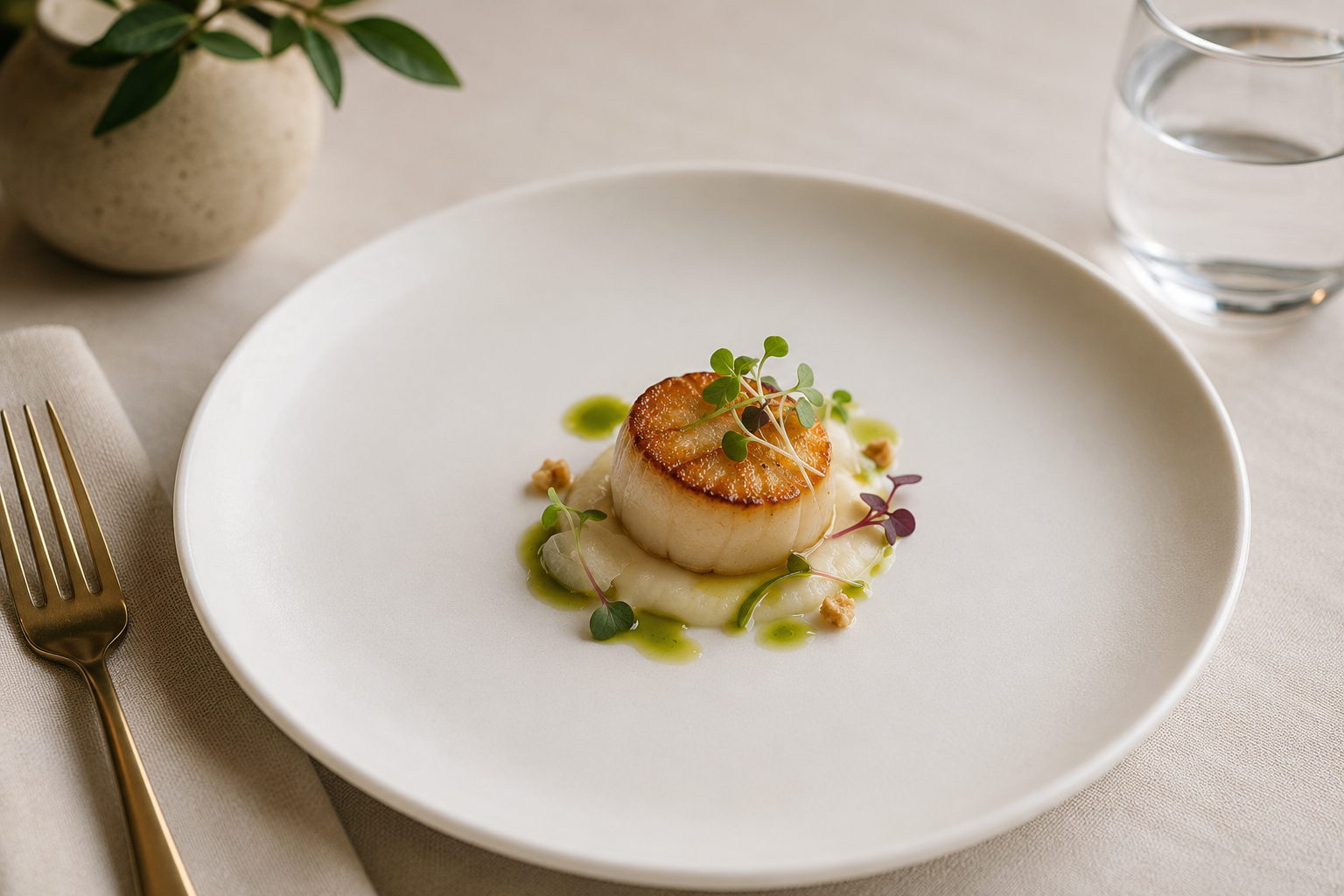
Plating matters, but dishes should not compete with the food. Choose simple plates with clean colors and basic lines. This keeps the focus entirely on the meal. Plain tableware also creates a relaxed vibe. Guests can focus on flavors and conversation. They will not feel distracted by fancy plates.
Add Palate Cleansers When Needed
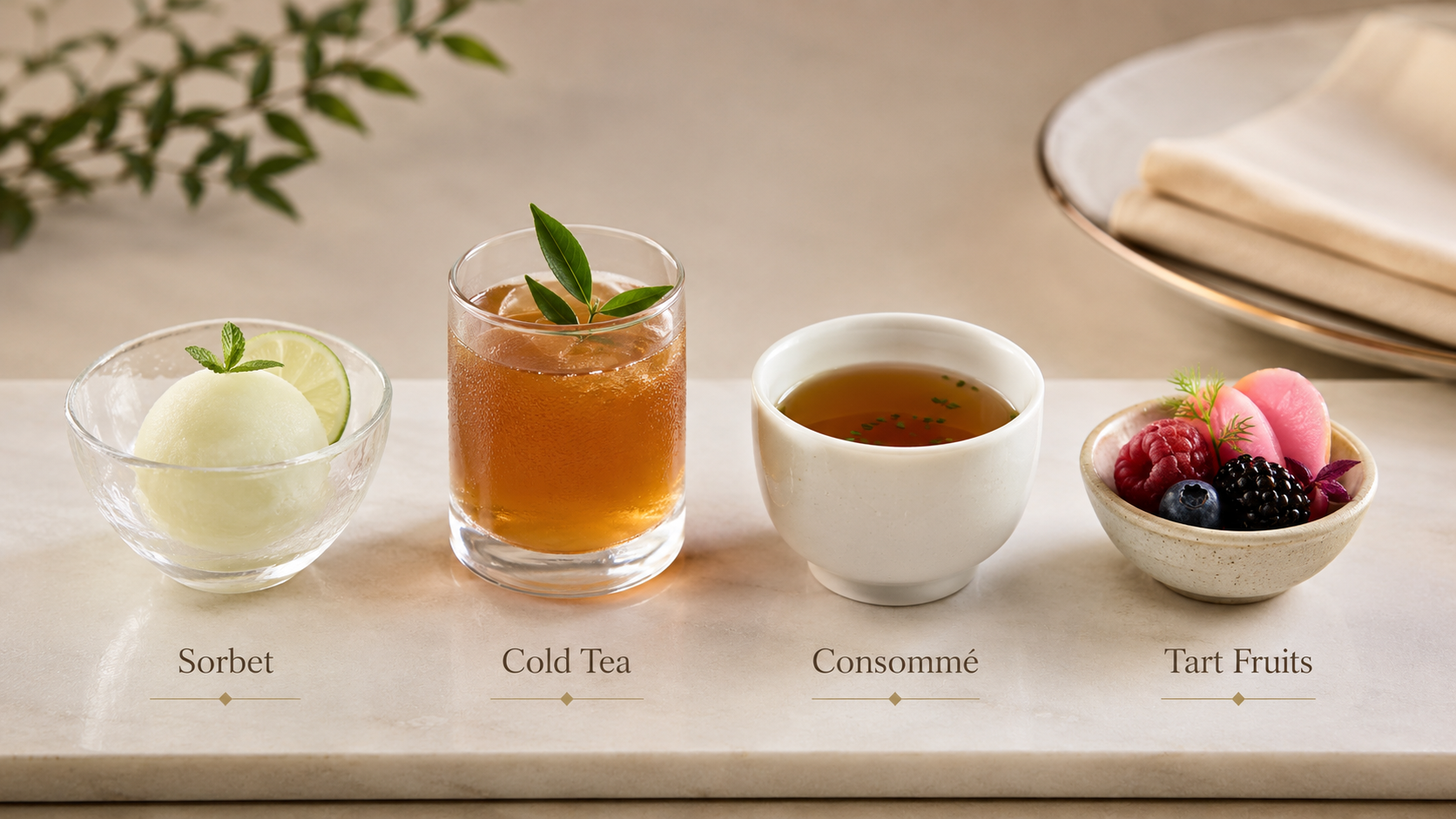
Too many courses can tire out the taste buds. Serve a palate cleanser after rich dishes or before dessert. It refreshes the mouth and gives guests a moment to pause. The cleanser should be light and surprising, not filling. Good options include:
Sorbet: A spoonful of lime or grapefruit sorbet cuts through heavy fats.
Cold tea or sparkling drinks: A small glass of cold-brewed tea or tart kombucha clears away lingering flavors.
Consommé: A cup of warm, clear broth settles the stomach in cold weather.
Tart fruits or vegetables: Pickled radish or fresh berries wake up the mouth with crisp textures.
This small detail keeps the meal well-paced. It helps guests feel ready for the next course.
Coordinate Course Timing and Service
Bad timing ruins a tasting menu. Guests should not wait too long between courses. They should not feel rushed either. Servers must watch each table's pace. They need to coordinate closely with the kitchen. Flexible timing keeps food at the right temperature. It also leaves plenty of time for guests to relax and chat.
Explain Each Dish to Guests
Introduce each new dish briefly. Do not give long, robotic speeches. Use a warm, natural tone instead. Mention a special ingredient or the chef's idea. Tell guests the best way to eat the food. This simple interaction makes fine dining feel welcoming. It helps guests understand the menu and shows that you care.
Tasting Menu Mistakes to Avoid
Small planning mistakes can affect the entire dining experience. Restaurants should avoid these common issues to keep guests comfortable and engaged from the first course to the last.
Serving Too Much Food
Too many courses make guests uncomfortably full. Large portions do the same. A tasting menu should offer variety. It should not overwhelm the appetite. Keep most dishes to two or three bites. This ensures guests feel satisfied, not overfed.
Repeating Similar Flavors or Textures
Serving several soft dishes or similar flavor profiles in a row can quickly cause palate fatigue. A strong tasting menu needs contrast. Alternate crisp and tender textures, as well as light and rich flavors. Each course should feel distinct enough to keep guests interested throughout the meal.
Adding Courses Without a Clear Purpose
Do not add dishes just to look generous. Extra courses drag out the meal. They ruin the overall flow. Every dish must support the theme. Each course should connect naturally to the next. Guests should understand the chef's ideas. They should not feel confused.
Ignoring Kitchen and Service Capacity
Creative menus fail if the team cannot execute them. Slow service and cold food ruin the experience. Overwhelmed staff make a bad impression. Design the menu around your team's real capacity. This applies to both the kitchen and server teams. Every table deserves high-quality service, even during a busy rush.
Offering Unplanned Substitutions
Last-minute changes for allergies ruin the menu's flow. They make guests feel like an afterthought. Plan your alternatives in advance. Create vegetarian and allergen-safe options early. Every substitute must match the menu's theme and quality. Guests with dietary needs deserve the same full experience.
FAQs
Are Drinks Included in a Tasting Menu?
Usually not. The base price only covers the food. Most restaurants offer a beverage pairing for an extra charge. A sommelier matches specific drinks to each course. These can be wine or non-alcoholic options.
Do You Tip on a Prepaid Tasting Menu?
It depends on the restaurant. Many prepaid bookings include a service charge upfront. If so, an extra tip is not required. Check the price breakdown when you book. If service is not included, leave a standard tip at the end.
Can You Leave a Tasting Menu Early?
Yes, you can. However, it might disrupt the flow of the meal. Tell the staff as soon as possible if you need to go. The kitchen can often speed up the dishes. They can also pack your dessert to go.
Conclusion
A great tasting menu requires more than just strong cooking skills. It relies heavily on careful attention to the guest experience. Every detail matters. From the initial theme and flavor balance to the final pace of service, everything must come together into a seamless, enjoyable meal. By avoiding common execution mistakes, restaurants can turn a standard dinner into a signature experience. It becomes a night that guests will remember and want to repeat.
You May Be Interested

100+ Father’s Day Jokes That Dad Will Actually Laugh At

100+ Good Quotes for Instagram Bio (Copy & Paste Ideas)

100+ Mother's Day Quotes to Celebrate Mom

130+ Independence Day Quotes for Instagram

15 Top AI Art Generators to Create the Best Masterpieces
